





Hello, my name is Graeme Wood, aka The Breathwork Guy. I am a hypnotherapist and have been running my own practice for several years now, but I have also had a love and fascination of breathwork and breathing techniques going back to my youth.
This site is dedicated to discussing various breathing techniques that are totally safe and will enhance your wellbeing.
All techniques require you to be proficient with Nasal Breathing and Diaphragmatic Breathing. Please master these techniques before continuing.
While there are no reported contra indications to any of these techniques if you follow the instructions, please do take it easy to start with to give your body time to adjust to the change in oxygen levels.
If in doubt with anything, STOP. Please contact me if you have any questions or need some advice.
Below are the basic requirements needed for good breathing habits. I suggest you learn these before moving onto any of the breathing techniques. They are the required for all the breaths that I demonstrate on this site. They are incredibly easy to learn and should only take 5 to 10 minutes of your time.
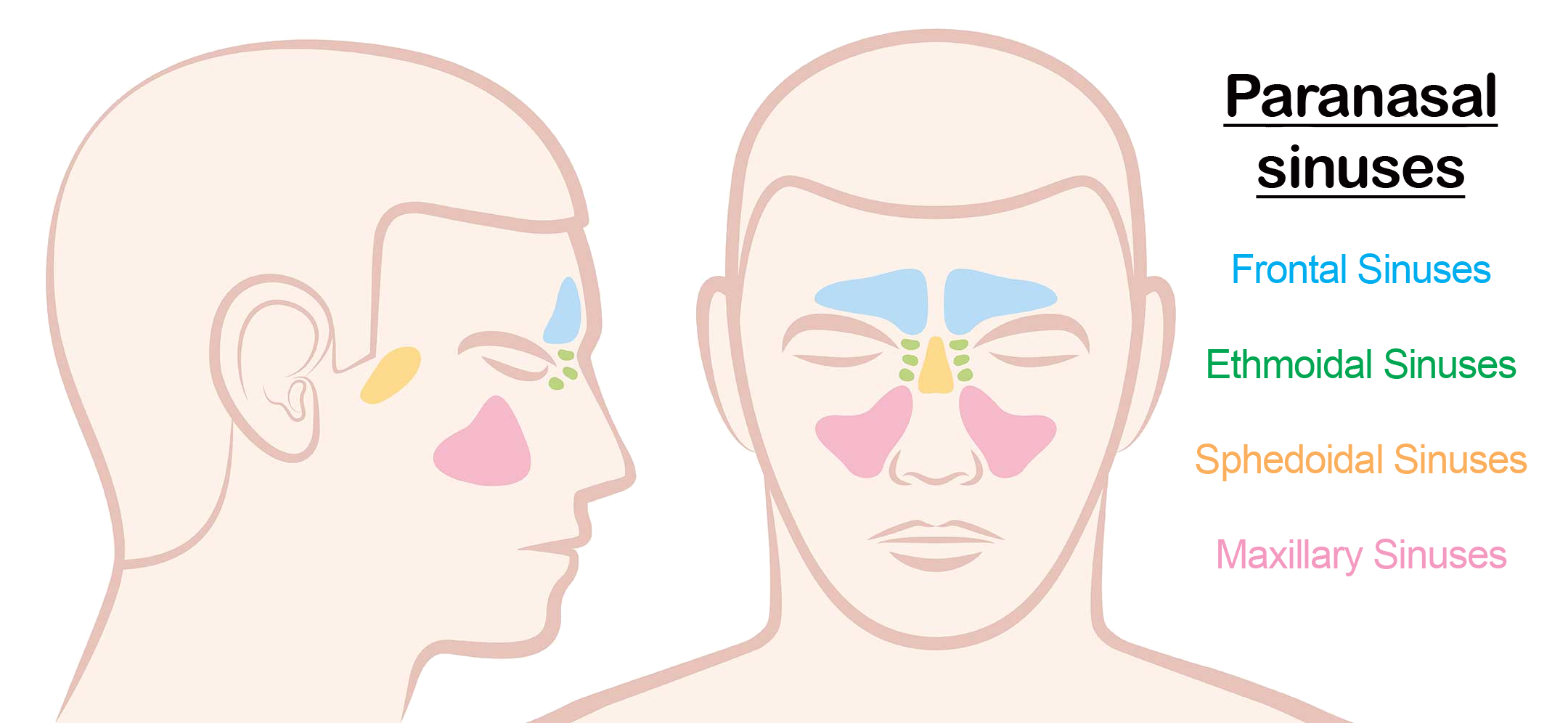
It really does not matter how keen and eager you are to get started with this, you will not get very far if you have a bunged up nose or blocked sinuses. This very quick and simple technique will clear your sinuses in a matter of seconds.
If you are feeling a bit clogged up then by all means blow your nose first so that you can breathe quite freely, then follow the instructions below:
You may need to repeat this process a few times if the sinuses are really bad. But they will clear and you will feel amazing.
Once cleared continued nasal breathing will help maintain healthy sinuses by promoting proper drainage, reducing the risk of sinus infections, and alleviating congestion.
Every mammal on the planet (of which we are one) use their nose for breathing. We are no different, so why do so many of us mouth breathe? We don’t shove our food up our noses do we?
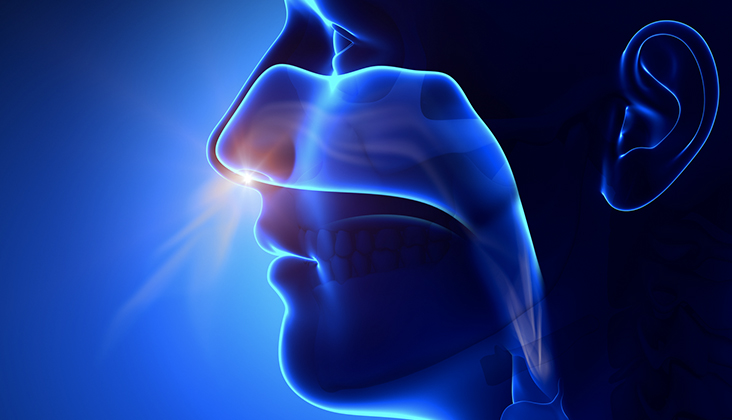
The nose is an amazing organ that does so much more than just keep our glasses in place. It really is our first line of defence.
It is a filtration system and can trap and filter out pathogens, allergens, airborne particles and bacteria before they reach the lungs, minimising the risk of respiratory infections and allergic reactions.
As the air passes through the nasal passages, it is warmed or cooled to match the body's temperature, making it ready for use by the lungs. This allows proper oxygen and carbon dioxide transfer to occur, enhancing the body’s oxygen uptake.
And it is humidified, reducing the risk of dry throats and coughs.
Nasal breathing, as opposed to mouth breathing, offers several health benefits due to its natural and efficient function.
Here are 15 benefits of nasal breathing:
1. Improved filtration: The nasal passages act as a natural filtration system, trapping and filtering out airborne particles, allergens, and bacteria before they reach the lungs.
2. Enhanced oxygen uptake: Nasal breathing helps optimize the amount of oxygen taken in, as the smaller airways in the nasal passages create resistance, allowing for more efficient oxygen absorption.
3. Nitric oxide production: Nitric oxide, produced in the nasal passages, has numerous health benefits, including dilating blood vessels, improving oxygen delivery, regulating blood pressure, and supporting immune function.
4. Humidification: The nasal passages moisten and humidify the air, preventing dryness of the respiratory tract, which can help alleviate issues like dry throat and cough.
5. Temperature regulation: As air passes through the nasal passages, it is warmed or cooled to match the body's temperature, reducing the strain on the respiratory system.
6. Reduced mouth dryness: Nasal breathing helps prevent excessive evaporation of saliva, reducing the risk of dry mouth, dental issues, and bad breath.
7. Improved lung function: Nasal breathing facilitates a slower, more controlled breathing pattern, which can enhance lung capacity and improve respiratory muscle strength.
8. Reduced respiratory issues: Nasal breathing helps minimize the risk of respiratory infections, asthma exacerbations, bronchitis, and other respiratory conditions by filtering and conditioning the air.
9. Increased energy production: Efficient nasal breathing optimizes oxygen delivery to cells, aiding in energy production and overall physical performance.
10. Enhanced sleep quality: Breathing through the nose during sleep promotes better sleep quality, reduces snoring, and improves oxygen saturation, leading to increased restfulness.
11. Reduced stress and anxiety: Nasal breathing activates the parasympathetic nervous system, triggering a relaxation response and helping to alleviate stress and anxiety.
12. Balanced blood chemistry: Nasal breathing supports proper carbon dioxide and oxygen exchange, promoting a balanced pH level in the blood and enhancing overall physiological function.
13. Improved concentration and cognitive function: Nasal breathing increases oxygen supply to the brain, enhancing focus, mental clarity, and cognitive performance.
14. Sinus health: Nasal breathing helps maintain healthy sinuses by promoting proper drainage, reducing the risk of sinus infections, and alleviating congestion.
15. Dental health benefits: Breathing through the nose aids in proper tongue posture, which can contribute to better dental alignment, reduced risk of malocclusion, and improved oral health.
Remember that if you have any specific medical concerns or conditions, it's important to consult with a healthcare professional for personalized advice and treatment.
Mouth breathing bypasses ALL the wonderful things that the nose does for us!
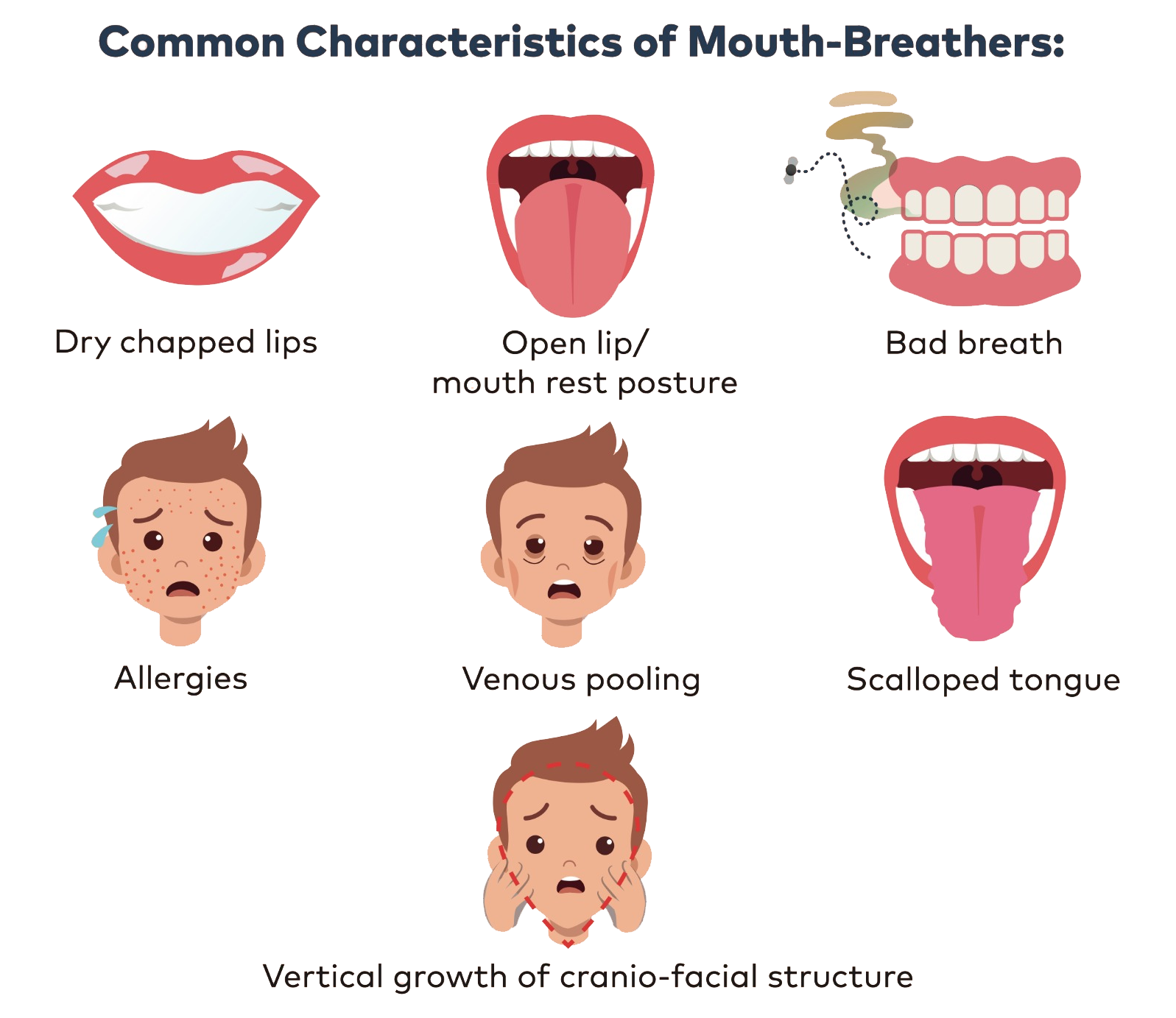
Mouth breathers will be inhaling unfiltered air, and because of this will quite often suffer from bad breath, asthma, higher allergy rates, tooth decay, gum disease, teeth or jaw abnormalities and sleep issues such as snoring and sleep apnoea.
Chronic mouth breathing in children can lead to facial deformities such as a long face, protruding or recessed chin or a high palate.
And because the air is untreated, when you mouth breathe you need a bigger volume than when you breathe through the nose.
The body starts to adapt to this different volume of air and different concentration of oxygen.
That causes a lot of changes in the body’s systems, one being that it can change the pH level in the blood and make it more acidic, increasing your predisposition to cancer as cancer cells grow more easily in an acidic environment.
An easy way to encourage nasal breathing in mouth breathers is to get them to put their tongue to the roof of the mouth and rest it behind the upper set of teeth.
This is the tongues natural resting position.
Mouth breathing, as opposed to nasal breathing, can have various health risks and implications. Here are some of the potential consequences:
1. Dry mouth: Breathing through the mouth tends to dry out the oral tissues, leading to a dry and uncomfortable sensation in the mouth. This can contribute to bad breath and an increased risk of dental problems, such as tooth decay and gum disease.
2. Reduced oxygen intake: Nasal breathing is the natural and optimal way to take in air. The nose acts as a filtration system, warming, humidifying, and filtering the air before it reaches the lungs. Mouth breathing bypasses these functions, resulting in less efficient oxygen intake. Reduced oxygen levels can affect overall health and may impact cognitive function, sleep quality, and energy levels.
3. Increased risk of respiratory infections: The nose acts as a barrier against airborne pathogens, filtering out dust, allergens, and microorganisms. Breathing through the mouth allows these particles to enter the respiratory system more easily, increasing the risk of respiratory infections, such as colds, flu, and sinusitis.
4. Orthodontic issues: Chronic mouth breathing, particularly during childhood, can lead to orthodontic problems and facial deformities. The constant flow of air through the mouth can affect the growth and development of the jaws and teeth, leading to malocclusions (misaligned bite) and overcrowding of teeth.
5. Sleep disturbances: Mouth breathing is commonly associated with sleep-disordered breathing, including conditions like snoring and sleep apnea. These conditions can disrupt sleep patterns, leading to daytime sleepiness, fatigue, and increased risk of cardiovascular problems.
6. Impaired facial development: In children, habitual mouth breathing can impact facial growth and development. It may lead to a long, narrow face, high arched palate, and a retruded or recessed chin. These changes can influence the appearance, function, and overall health of the individual.
7. Allergic reactions: Nasal breathing helps filter and reduce the allergens that enter the respiratory system. Mouth breathing bypasses this filtration mechanism, increasing the likelihood of allergic reactions in individuals with allergies or sensitivities.
If you or someone you know frequently breathes through the mouth and experiences any of these issues, it is advisable to consult a healthcare professional, such as a dentist, orthodontist, or ENT (Ear, Nose, and Throat) specialist, who can provide a proper diagnosis and recommend appropriate treatment options.

Diaphragmatic breathing, also known as deep or belly breathing, involves the conscious use of the diaphragm, the large dome-shaped muscle located below the lungs, to control and regulate the breath. When you inhale deeply, the diaphragm contracts and moves downward, allowing the lungs to expand and fill with air. This type of breathing is in contrast to shallow chest breathing, where the breath is primarily restricted to the upper chest.
One of the key connections between diaphragmatic breathing and the body's physiological response lies in the vagus nerve. The vagus nerve, also known as the tenth cranial nerve, is the longest and most complex of the cranial nerves. It extends from the brainstem down to the abdomen, innervating various organs along the way, including the heart, lungs, and digestive system.
The vagus nerve plays a critical role in regulating the body's parasympathetic nervous system, which is responsible for the "rest and digest" response, promoting relaxation, digestion, and recovery. Activation of the vagus nerve leads to a decrease in heart rate, blood pressure, and stress hormone levels.
When we engage in diaphragmatic breathing, the movement of the diaphragm stimulates the vagus nerve, triggering the parasympathetic response. This, in turn, leads to a cascade of physiological changes in the body, including:
1. Reduced heart rate: Deep breathing activates the vagus nerve, causing the heart rate to slow down and promoting a sense of calm and relaxation.
2. Lowered blood pressure: Diaphragmatic breathing can help reduce blood pressure by activating the parasympathetic nervous system, which counteracts the body's stress response.
3. Enhanced digestion: The vagus nerve influences digestion by increasing digestive enzyme production, improving nutrient absorption, and promoting smooth muscle contractions in the gastrointestinal tract.
4. Decreased stress and anxiety: Deep breathing has been shown to activate the relaxation response, reducing the release of stress hormones like cortisol and promoting a sense of well-being.
5. Improved emotional regulation: By stimulating the vagus nerve, diaphragmatic breathing may help regulate emotions and contribute to stress management.